Science and Research Community of PracticeThe Senior Executive Association Executive Board is excited to formally launch and welcome the SEA Science and Research Community of Practice (S&R CoP). The SEA Science and Research CoP aims to engage members of the SEA who have an interest in the sciences or scientific research and its performance. It seeks to connect CoP members with science and research professionals across the Federal government. It seeks to share knowledge of both science/research itself and of how science/research operates (similarly or differently) across the Federal enterprise. This will enable the sharing of best practices and of obstacles encountered at different Agencies. Goals:
Communication: Post to the CoP Resources:
Meet your CoP leaders: Dr. Peter Reynolds
Prior to becoming an ST in 2007, he served as the Head of Physics at ARO and, before that, as Program Manager for Atomic & Molecular Physics, initiating the first program to examine in depth and pursue the promise of quantum simulation before the eventual emergence of full-scale quantum computing. Before joining ARO, Dr. Reynolds was at the Office of Naval Research (ONR), managing the Atomic & Molecular Physics program from 1988 to 2003. During that time, he was instrumental in funding the programs that helped forge the new discipline of Quantum Information Science, including the demonstration of the very first quantum bit (or qubit). From 1980 to 1988, he was a Staff Scientist at the Lawrence Berkeley Laboratory (now LBNL), where he pursued quantum Monte Carlo as an alternative to traditional quantum chemistry. His background is in computational and theoretical physics, with a focus on statistical mechanics, particularly in renormalization group theory for condensed matter and Monte Carlo methods for both classical and quantum systems. He received the U.S. Presidential Rank Award as a Distinguished Senior Scientist in 2015 and is a long-time Fellow of the American Physical Society. Dr. Reynolds obtained his Ph.D. in theoretical condensed-matter physics from MIT in 1979 and an A.B. in physics from the University of California, Berkeley, in 1971. Dr. Brendan Godfrey
Dr. Deborah Hollister Lee
From 2014 to 2025, Ms. Lee directed the NOAA Great Lakes Environmental Research Laboratory, focusing on research for sustainable ecological services and environmental predictions. She led award-winning studies on harmful algal blooms and the effects of invasive carp on the Great Lakes fishery. Additionally, she oversaw NOAA's $330 million Great Lakes Restoration Initiative, which addresses pollution in industrial areas. In 2020, she became the national co-chair of the Aquatic Nuisance Species Task Force. From 2005 to 2014, Ms. Lee, with the USACE Lakes and Rivers Division, executed flood control on the Ohio and Mississippi River flood control by leading the technical coordination of the continental-scale flood damage reduction system. She revolutionized the water control system, implementing state-of-the-art computer models of the Ohio River and its watershed. She provided outstanding leadership during multiple droughts, floods, and other high-impact events. Ms. Lee was also responsible for meeting U.S. treaty obligations with Canada in the management of the Great Lakes. She provided technical support to the International Joint Commission (IJC), overseeing the regulation of Lakes Superior and Ontario, as well as the Niagara River. She served in key leadership and technical roles in several binational IJC studies aimed at improving the management of the Great Lakes and Lake Champlain. In 2025, Ms. Lee received the NOAA Distinguished Career Award. three U.S. Army Superior Civilian Service Awards and recognitions from the IJC, Mississippi River Commission, the American Society of Civil Engineers, the International Association for Great Lakes Research, and The Ohio State University. |
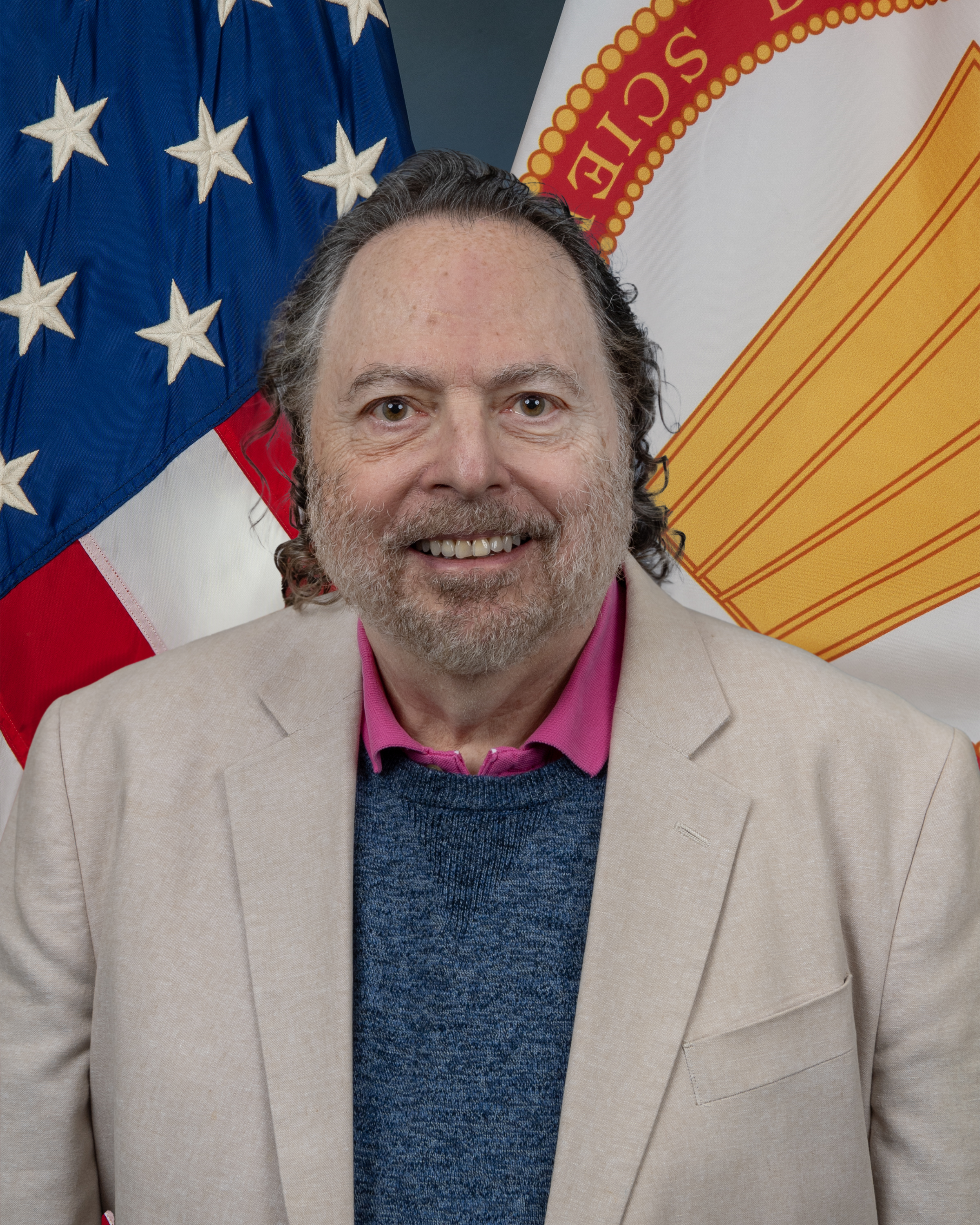 PETER J. REYNOLDS is a senior research scientist (ST) with the Army Research Laboratory’s (ARL) Army Research Office (ARO). He is an ARL Fellow. As part of his role as an ST he seeks out emerging scientific areas for investment both intra- and extramurally, particularly across the physical sciences, with a particular interest in quantum information science.
 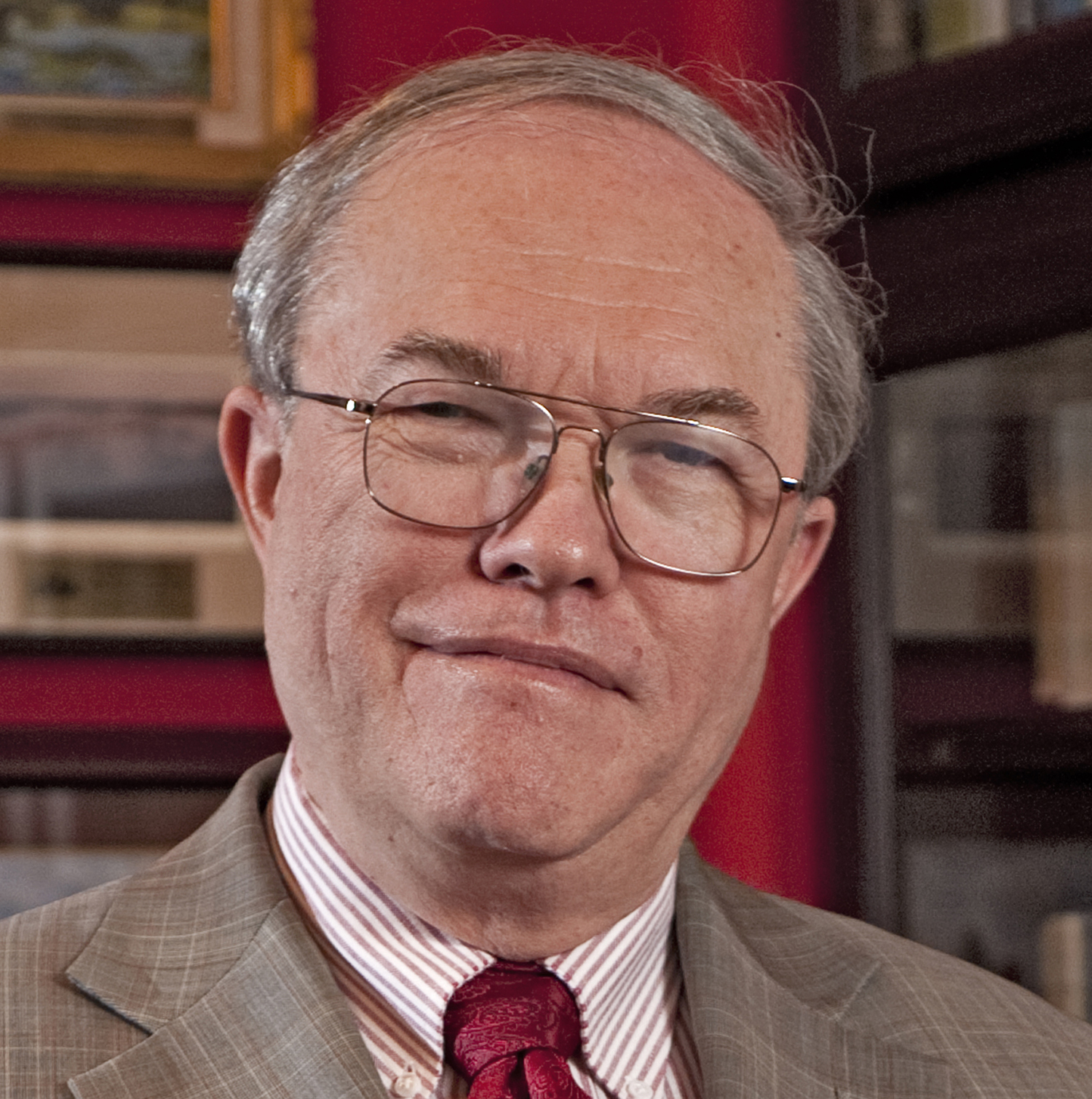 Brendan Godfrey is a public policy volunteer of the Institute of Electrical and Electronics Engineers (IEEE), a public policy volunteer of the Senior Executive Association, and the Board Secretary of Ars Lyrica Houston. His other IEEE activities include the Global Policy Caucus, the One IEEE Education Strategy for Empowering Technical Innovation Committee, the IEEE-USA Nominations and Appointments Committee, the IEEE-USA Fellowship Committee, and previously the IEEE-USA Board and the Nuclear and Plasma Science Administrative Committee. Before retiring, he was the director of the Air Force Office of Scientific Research, responsible for its nearly half-billion-dollar basic research program. He was an Air Force officer at Kirtland Air Force Base from 1970 to 1972, where he conducted plasma research. He began his civilian career at Los Alamos National Laboratory, where he established its intense particle beam research program. He then managed and conducted research on intense microwave and particle beams at Mission Research Corp., rising to the position of vice president and regional manager. In 1989, he returned to the Air Force as civilian chief scientist of the Weapons Laboratory. Later responsibilities included director of Phillips Laboratory high power microwave research; director of the 1500-person Armstrong Laboratory; director of plans at the Air Force Research Laboratory, and deputy director of Brooks City-Base. He also has served on numerous professional and civic committees, including the National Academies’ Air Force Studies Board, the Texas Governor’s Scientific Advisory Committee, the San Antonio Brooks Development Board, the advisory committees of Los Alamos National Laboratory and Sandia National Laboratories, and the advisory committees of the University of New Mexico and the University of Texas at San Antonio. Known for his contributions to computational plasma theory and its applications, he is the author of over 200 publications and reports. Dr. Godfrey received his B.S. from the University of Minnesota and Ph.D. from Princeton University. He is a fellow of the IEEE and of the American Physical Society.
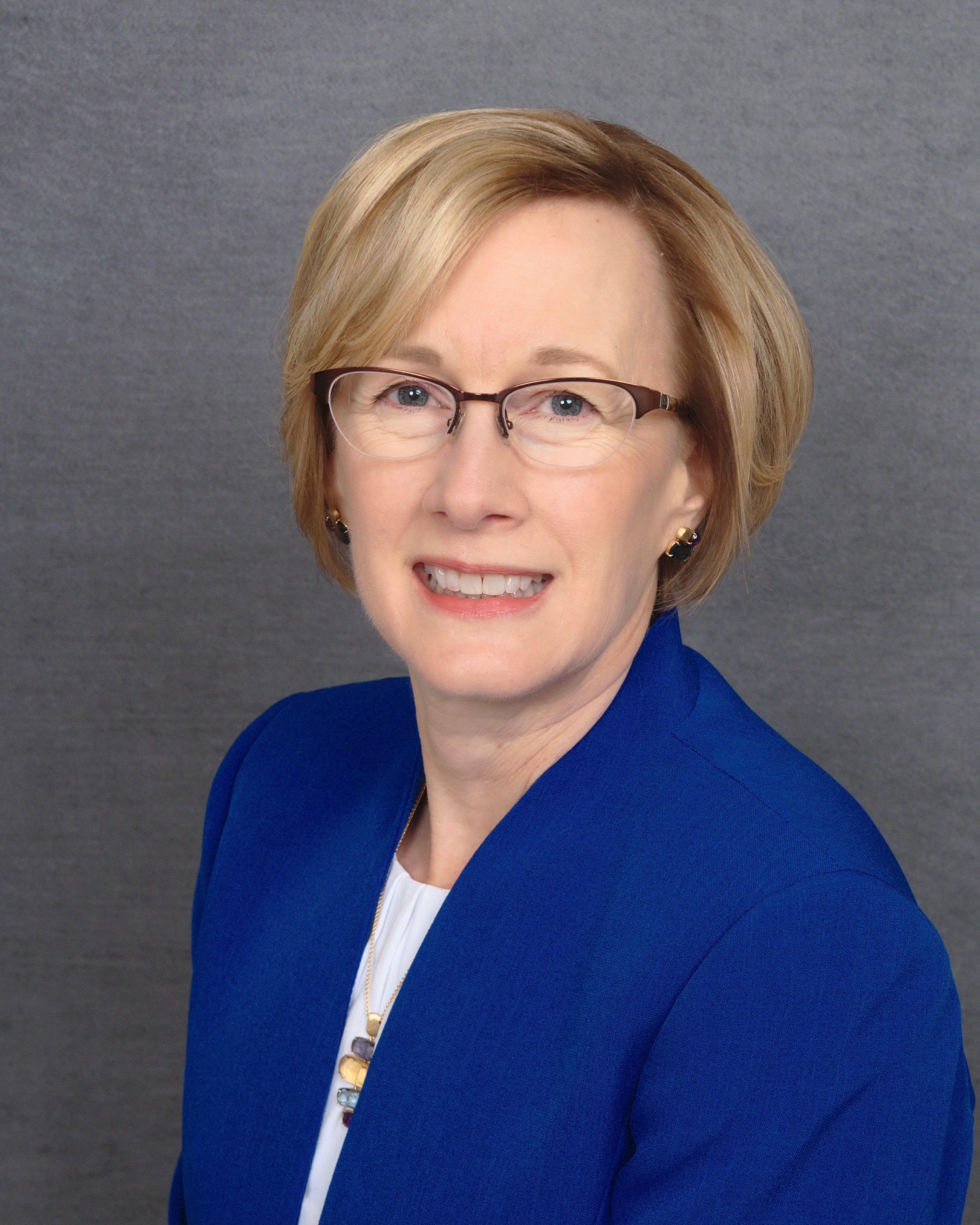 DEBORAH H. LEE served as a member of the Senior Executive Service for 10 years before her retirement in early 2025. Throughout her 40-year career with the U.S. Army Corps of Engineers (USACE) and the National Oceanic and Atmospheric Administration (NOAA), Ms. Lee has driven innovative federal water resources management and research.
 Our Sponsors